
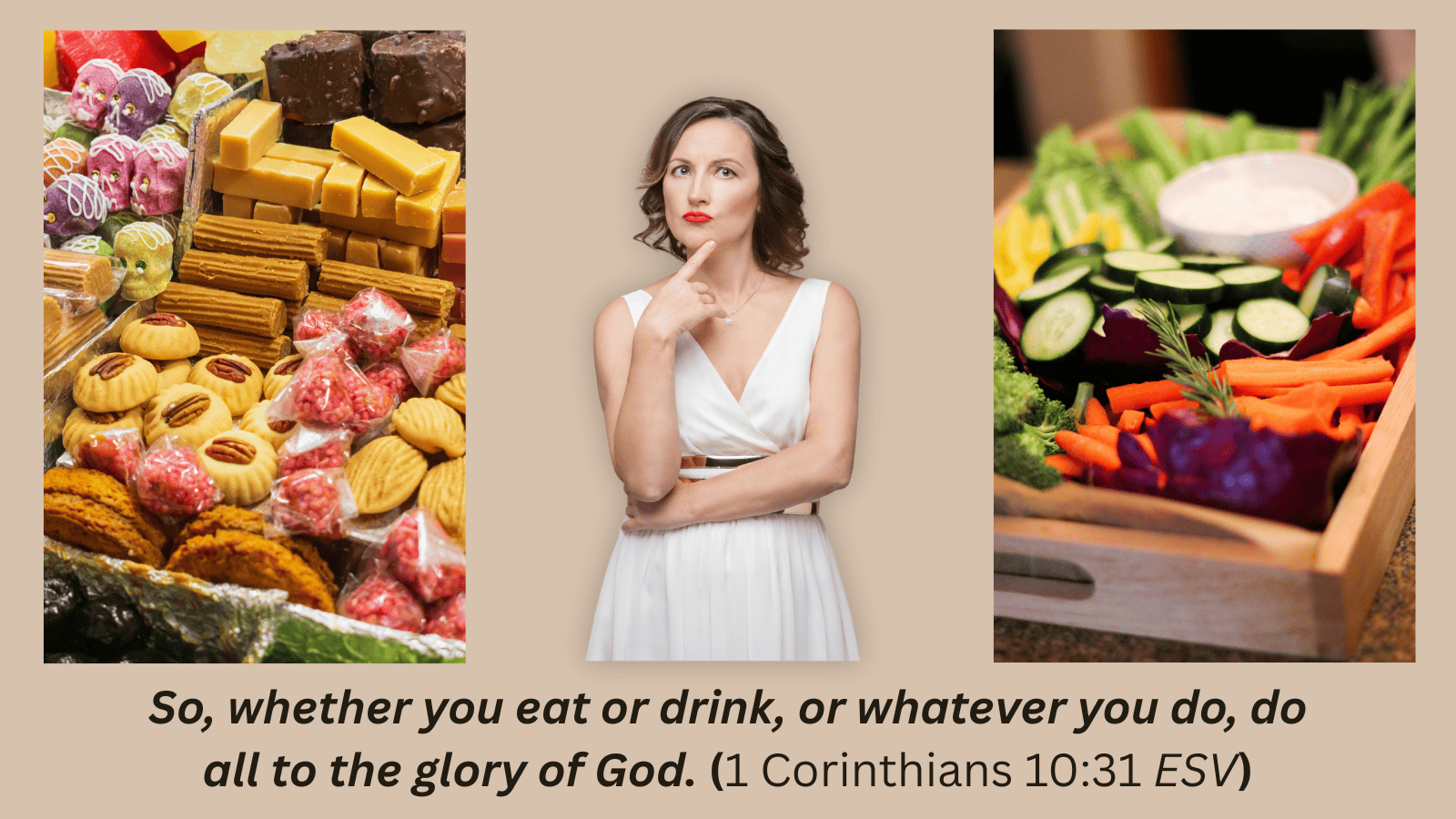
Maybe it isn’t flu season.
Maybe it’s an inflamed, overtired, sugar-spiked season.
I used to think I just had “bad luck” every December. Like clockwork, I’d get knocked out with a cold or stomach bug right when I needed to be at my best—wrapping presents, hosting gatherings, making memories with family.
But looking back, I was hosting cookie exchanges, baking nonstop, staying up late sewing handmade gifts, and running on sugar and coffee… all while wondering why I felt wrecked by New Year’s.
I didn’t know then what I know now:
My body wasn’t failing me. I was failing to steward it well.
The good news? You don’t have to choose between enjoying the holidays and staying healthy. You just need to understand what’s happening in your body and make a few strategic shifts.
Why Holiday Season Isn’t “Flu Season.” It’s Inflammation Season
We blame cold weather. However, it only plays a small role in weakened immunity. The real immune disruptors are pretty simple:
Sugar suppresses immunity for hours.
Research dating back decades shows that consuming ~100 grams of simple sugars (roughly the amount in a generous slice of pie plus eggnog) can temporarily reduce white blood cell function by up to 50% for several hours. When sugar hits your system multiple times a day, your immune defenses stay sluggish.
Alcohol disrupts sleep and weakens gut integrity.
That second glass of wine relaxes you but fragments your sleep cycles and affects the gut lining, where 70% of your immune system lives.
Stress dysregulates cortisol.
Perfection pressure, family expectations, budgeting, baking, work commitments… December stress is real, and cortisol swings suppress immune function.
Ultra-processed foods trigger inflammation.
Chips, dips, cookies, fried appetizers, holiday mixes—they all drive inflammation that compounds over the month.
Late nights steal your immune rebuilding time.
Sleep is when your body produces infection-fighting cytokines and antibodies. Therefore, skimping even a little can make a difference.
Check out my blog post on How Sleep Affects Health
Add it all up: By mid-December, your body is running on fumes. It’s not bad luck. It’s biology.
And here’s the grace-filled truth: even in a month of celebrations, you can honor the body God gave you.
The Anchor Foods to Help You Stay Healthy During the Holiday
Anchor foods are your foundation—the nutrient-dense choices that keep your body resilient even when you enjoy treats.
1. Protein first, every meal
Aim for 20 to 30 grams before the sweets or starches. It stabilizes blood sugar and gives your immune system the amino acids it needs.
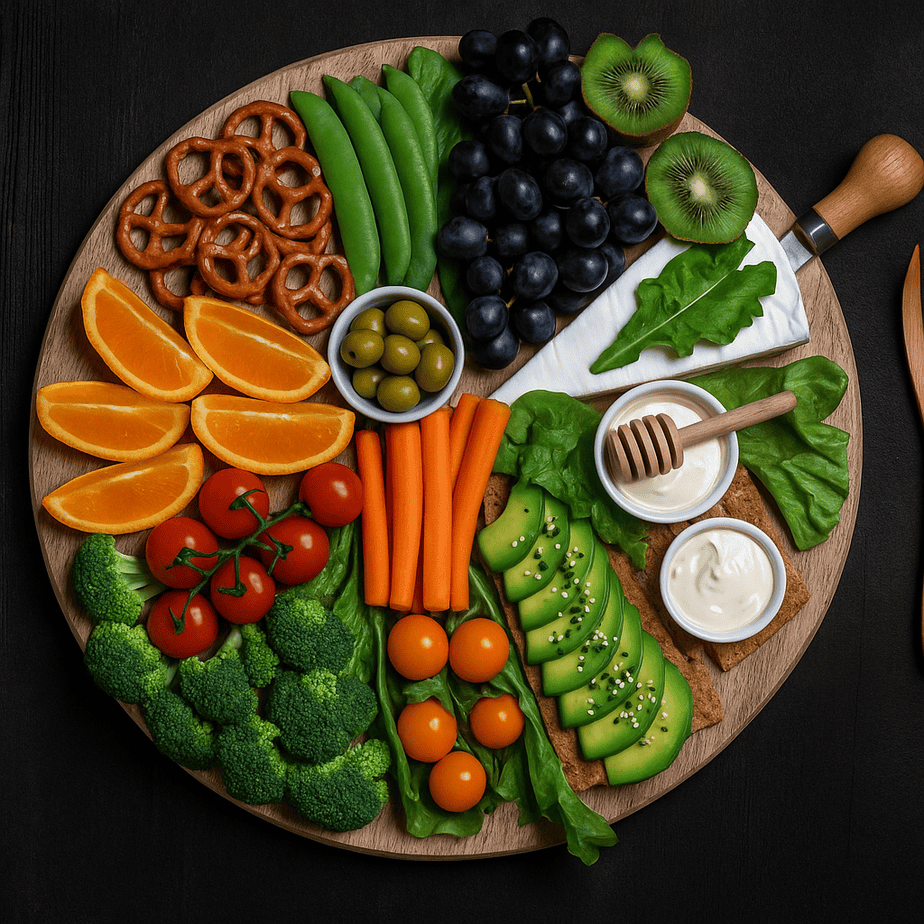
2. Vegetables at every gathering
Bring a veggie tray. Add jicama, kohlrabi, cauliflower, and broccoli for color and fiber, and some Dilliscious Dip with Greek or goat yogurt for fat to help balance blood sugar.
3. Color on every plate
Red peppers, squash, purple cabbage, and dark greens with phytonutrients that help calm inflammation.
4. Hydration + electrolytes
Holiday foods are salty and dehydrating. Drink water throughout the day and add a pinch of sea salt or electrolytes.
5. One intentional treat
Not grazing. Not mindless eating.
Choose the treat you truly want, savor it, and move on.
Anchor with real foods, and occasional treats won’t derail you.
Habits That Strengthen Your Immune System
Small, consistent habits matter more than perfect eating.
Protect your sleep rhythm
Aim for 7 to 8 hours. Let something else slide if it means you protect your rest.

Get morning sunlight
Ten minutes in the morning helps regulate cortisol and supports immune function.
Walk after meals
A 10 to 15 minute walk improves blood sugar control and digestion.
Choose real-food drinks
Sparkling water with cranberry and rosemary, herbal tea, and almond milk lattes are festive, without the sugar crash.
Say no without guilt
You don’t need to attend every event. Stewarding your energy honors God and others.
How to Enjoy Treats Without Derailing Your Health
This isn’t about legalism.
It’s about remembering whose body you’re caring for.
Gluttony isn’t about the treat—it’s about the loss of self-control.
- Enjoying your grandmother’s pie with gratitude? Beautiful.
- Eating until you’re uncomfortable because “it’s the holidays”? That’s disconnection, not celebration.
We can model joy and wisdom at the same time.
Bringing a healthier version of a favorite recipe is a blessing.
Enjoying one cookie instead of six is self-control.
Protecting your sleep is stewardship.
The Change That Made All the Difference for Me
When I realized that gluten and dairy are not my friends and tied sugar and poor sleep habits to my December crashes… everything changed.
I didn’t stop baking.
I simply shifted ingredients—almond flour, coconut sugar, healthier fats.
I didn’t stop celebrating.
I learned to anchor with protein and veggies.
I didn’t skip gatherings.
I just protected sleep and said no when needed.
And now?
Most Decembers, I make it through without getting sick.
I have energy for my family. I enjoy the season.
I feel like myself—not depleted and inflamed.
That’s stewardship in the real world.
Not perfection. Not deprivation.
Just small, wise choices that honor God’s design.
Your December Can Be Different
You don’t need to white-knuckle the holidays or hope you don’t get sick.
You can enjoy celebrations and stay healthy.
Anchor with real food.
Protect your sleep.
Move your body.
Say no when needed.
Enjoy treats intentionally.
Your body will thank you.
Your family will notice.
And you’ll actually remember the season with joy—not exhaustion.
Ready to Feel Better—Not Just in January, But Now?

Interested?
Want weekly Scripture, wellness tips, and anti-inflammatory recipes?
Subscribe to the newsletter below.
No spam. Unsubscribe anytime.
Sources
Sanchez A, Reeser JL, Lau HS, Yahiku PY, Willard RE, McMillan PJ, Cho SY, Magie AR, Register UD. Role of sugars in human neutrophilic phagocytosis. Am J Clin Nutr. 1973 Nov;26(11):1180-4. doi: 10.1093/ajcn/26.11.1180. PMID: 4748178. https://www.medaussvetaine.eu/uploads/2/0/5/9/20595306/am_j_clin_nutr-1973-sanchez-1180-4.pdf
Ma X, Nan F, Liang H, Shu P, Fan X, Song X, Hou Y, Zhang D. Excessive intake of sugar: An accomplice of inflammation. Front Immunol. 2022 Aug 31;13:988481. doi: 10.3389/fimmu.2022.988481. PMID: 36119103; PMCID: PMC9471313. https://www.frontiersin.org/journals/immunology/articles/10.3389/fimmu.2022.988481/full
Fang H, Anhê FF, Schertzer JD. Dietary sugar lowers immunity and microbiota that protect against metabolic disease. Cell Metab. 2022 Oct 4;34(10):1422-1424. doi: 10.1016/j.cmet.2022.09.006. PMID: 36198287. https://www.cell.com/cell-metabolism/fulltext/S1550-4131(22)00396-5?_returnURL=https%3A%2F%2Flinkinghub.elsevier.com%2Fretrieve%2Fpii%2FS1550413122003965%3Fshowall%3Dtrue
Roehrs T, Roth T. Sleep, sleepiness, and alcohol use. Alcohol Res Health. 2001;25(2):101-9. PMID: 11584549; PMCID: PMC6707127. https://pmc.ncbi.nlm.nih.gov/articles/PMC6707127/
Balakin E, Yurku K, Ivanov M, Izotov A, Nakhod V, Pustovoyt V. Regulation of Stress-Induced Immunosuppression in the Context of Neuroendocrine, Cytokine, and Cellular Processes. Biology (Basel). 2025 Jan 15;14(1):76. doi: 10.3390/biology14010076. PMID: 39857306; PMCID: PMC11760489. https://www.mdpi.com/2079-7737/14/1/76
Cain DW, Cidlowski JA. Immune regulation by glucocorticoids. Nat Rev Immunol. 2017 Apr;17(4):233-247. doi: 10.1038/nri.2017.1. Epub 2017 Feb 13. PMID: 28192415; PMCID: PMC9761406. https://www.nature.com/articles/nri.2017.1