

They may seem unrelated, but mindset and health are deeply intertwined. In fact, every essential guide I write for The Epoch Times includes a section on mindset. It doesn’t matter whether the topic is gut dysbiosis, rheumatoid arthritis, sleep apnea, or neuropathy. Every chronic health condition has a mindset component.
Writing about how certain conditions affect mindset would be easier. For example, painful conditions like rheumatoid arthritis can make daily living difficult, leading to depression. Disfiguring diseases like vitiligo and lipedema can lead to low self-esteem and hopelessness. But the section is about how mindset affects the condition.
4 Things I’ve Learned About Mindset and Health
Mindset isn’t positive thinking or pretending problems don’t exist. It’s the collection of beliefs, attitudes, and expectations that shape how we interpret our circumstances and respond to them. Two people can receive the same diagnosis yet experience it very differently—not because the disease is different, but because the mindset they bring to it is.
Mindset can influence:
-
1. Pain and Symptom Perception
People who feel helpless or overwhelmed by symptoms often experience greater distress and functional limitation. Those who believe they have some degree of influence over their health tend to cope better and remain more engaged in care.
-
2. Treatment Follow-Through
Whether it’s using CPAP consistently, sticking with dietary changes, or completing rehabilitation exercises, mindset strongly affects adherence. Motivation rooted in personal values lasts longer than fear-based compliance.
-
3. Stress Physiology
Chronic stress doesn’t just affect mood. It affects hormones, inflammation, immune signaling, gut permeability, and nervous system regulation. A calm, resilient mindset supports the body’s ability to heal.
-
4. Identity
Some people unconsciously adopt their diagnosis as their identity. Others see it as a challenge they are actively working through. That distinction alone can change long-term outcomes.
Scripture speaks directly to this internal orientation:
The mind governed by the flesh is death, but the mind governed by the Spirit is life and peace.
(Romans 8:5–6 NIV)
How Mindset and Health Interact Inside the Body
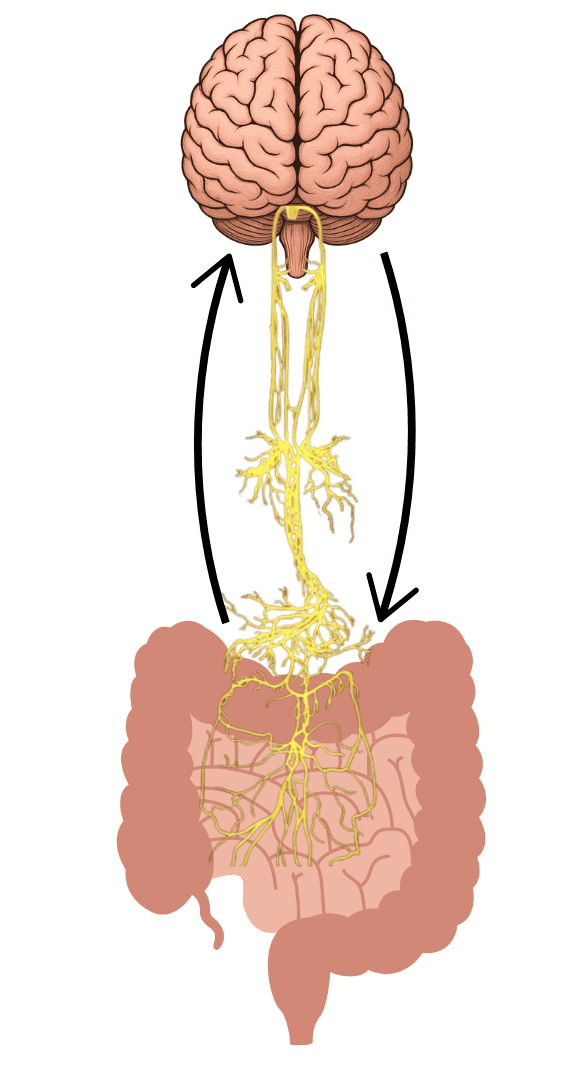
Thoughts don’t stay abstract. They turn into biochemical signals: hormones, neurotransmitters, immune responses. Additionally, persistent psychological stress becomes physiological stress. It can disrupt the gut microbiome, weaken the gut barrier, and interfere with the nervous system’s regulation of stomach acid, enzymes, and gut motility. This is where mindset and health intersect most directly. Long before changes appear on a lab report, they’re showing up in the body’s responses.
These connections—between gut, brain, heart, and microbiome—are one more example of how intricately God designed the body to work as a whole.
Stress and mindset can alter gut function, while changes in the microbiome can impact mood, behavior, and cognitive health. Research shows that specific probiotics may help reduce the effects of stress, support repair of the intestinal lining, and improve central nervous system function—a promising approach to addressing dysbiosis.
While the right foods and the right probiotics can be beneficial for your gut, they only go so far if you’re missing the mindset component.
A calm, steady mindset, reinforced by mindfulness practices like breathwork and prayer, can foster resilience, even in the face of ongoing stress. It can:
-
- Support healthy digestion
- Reduce inflammation
- Support microbial diversity
- Improve vagal tone (a measure of the vagus nerve’s ability to link gut and brain communication)
Vitiligo Changed My Skin—But Mindset Changed How I Lived With It
More than 40 years ago, I noticed a white spot in my armpit that seemed to appear out of nowhere. Not long after, another showed up on the other side. A dermatologist confirmed it was vitiligo, an autoimmune condition where the immune system attacks the body’s pigment cells. She told me treatments were available if it ever became visible enough to bother me.
At the time, it didn’t seem like a big deal. It wasn’t on my face. It wasn’t obvious, so life went on.
For years, it progressed. First my knees. Then my hands and feet. Eventually my neck and face. Almost every year, not long after tax season, I would notice new spots. Whether that timing was related to stress or low vitamin D in the winter—both associated with vitiligo—I can’t say for certain.
Interestingly, whenever I go to a new dermatologist for something unrelated, the conversation eventually turns to my vitiligo. I’ve been offered treatments ranging from medications to bleaching, dyeing, and expensive light therapies requiring numerous sessions not covered by insurance.
After weighing the risks, costs, and time commitment, I’ve always declined. However, my decisions weren’t based on those factors alone. They were also shaped by my mindset.
Reframing Isn’t Denial — It’s Perspective

Prior to writing an essential guide on vitiligo, I joined a vitiligo group on Facebook. I find it fascinating that members post photos of themselves and other members respond with encouragement, affirmation, and genuine compliments about their beauty. This isn’t denial. It’s reframing.
A few years prior, an adolescent told me she loved my spots. I was caught off guard. Her mother quickly added that her daughter was sincere, and I believed her. She was creative, artistic, and saw patterns and contrast differently than most people. She wasn’t trying to make me feel better. She simply saw something beautiful.
That moment stayed with me.
Early on, I tried covering my knee spots with special body makeup during the summer. Eventually I stopped. Not because the spots disappeared, but because I stopped caring. When one of my granddaughters asked her mom what was “wrong” with my skin, we explained vitiligo to her, and she accepted it without drama. Children often do that better than adults.
Now and then, when I’m working our Spice Cure booth and someone hands me their payment, I’ll notice vitiligo on their hands. I’ll show them mine. There’s an instant connection — a quiet moment of recognition that feels almost like meeting a distant relative.

That’s mindset at work. Not pretending something doesn’t exist, but choosing how to interpret it. Scripture speaks directly to this:
For as he thinks in his heart, so is he
(Proverbs 23:7 NKJV)
How Mindset Shows Up In Our Everyday Decisions
My experience with vitiligo taught me something I now see in every area of health. Mindset doesn’t just shape how we feel about a diagnosis. It shapes the decisions we make because of it.
Mindset shapes how we respond, adapt, persist, and heal. It influences things like:
-
- How much risk someone is willing to tolerate
- How much money they’re willing to invest
- Whether they prioritize convenience or long-term change
- Whether they see themselves as powerless or proactive
That’s why Scripture repeatedly emphasizes intentional thinking:
Set your minds on things above, not on earthly things.
(Colossians 3:2 NIV)
In practice, this rarely looks like a dramatic “aha moment.” It shows up in smaller, everyday decisions:
-
- Whether someone prepares food ahead of time or grabs what’s convenient
- Whether they follow through with physical therapy or skip sessions
- Whether they continue when progress feels slow
- Whether they view setbacks as failure or feedback
This is where many people get stuck. Commitment is not emotional motivation. It’s a decision. James describes this internal tug-of-war clearly:
But when you ask, you must believe and not doubt, because the one who doubts is like a wave of the sea, blown and tossed by the wind.
(James 1:6 NIV)
A divided mindset produces inconsistent action, and consistency is not about perfection. It’s about direction.
3 Simple Ways to Start Rewiring Your Mindset Today

You don’t need a life overhaul to shift your mindset. Small, repeated choices are enough.
- 1. Meditate on one anchoring Scripture.
Choose a verse — “Set your minds on things above” (Colossians 3:2) or “For as he thinks in his heart, so is he” (Proverbs 23:7) — and repeat it throughout your day.
- 2. Practice one intentional reframe.
When a negative thought shows up, pause and replace it: “My body is broken” becomes “My body is responding to something, and I can influence that response.”
- 3. Take one stewardship action.
Prepare a nourishing meal, take a short walk, or go to bed a little earlier. Small actions reinforce that your health is worth caring for.
Commit your work to the Lord, and your plans will be established.
(Proverbs 16:3 ESV)
A Final Thought on Mindset and Health
None of this means mindset replaces good nutrition, medical care, or making informed treatment decisions. It means your thoughts are more powerful than you might think and should be part of your health plan.
God designed the body and mind to work together. As you renew your mind and steward your body, you’re working with that design instead of against it.
Your circumstances may not change overnight, but the way you walk through them can.
If you’re ready to move beyond information and begin applying these principles to your own health, I’d love to help. Book a free 15-minute strategy session HERE.

Want weekly Scripture, wellness tips, and anti-inflammatory recipes?
Subscribe to the newsletter below.
No spam. Unsubscribe anytime.