
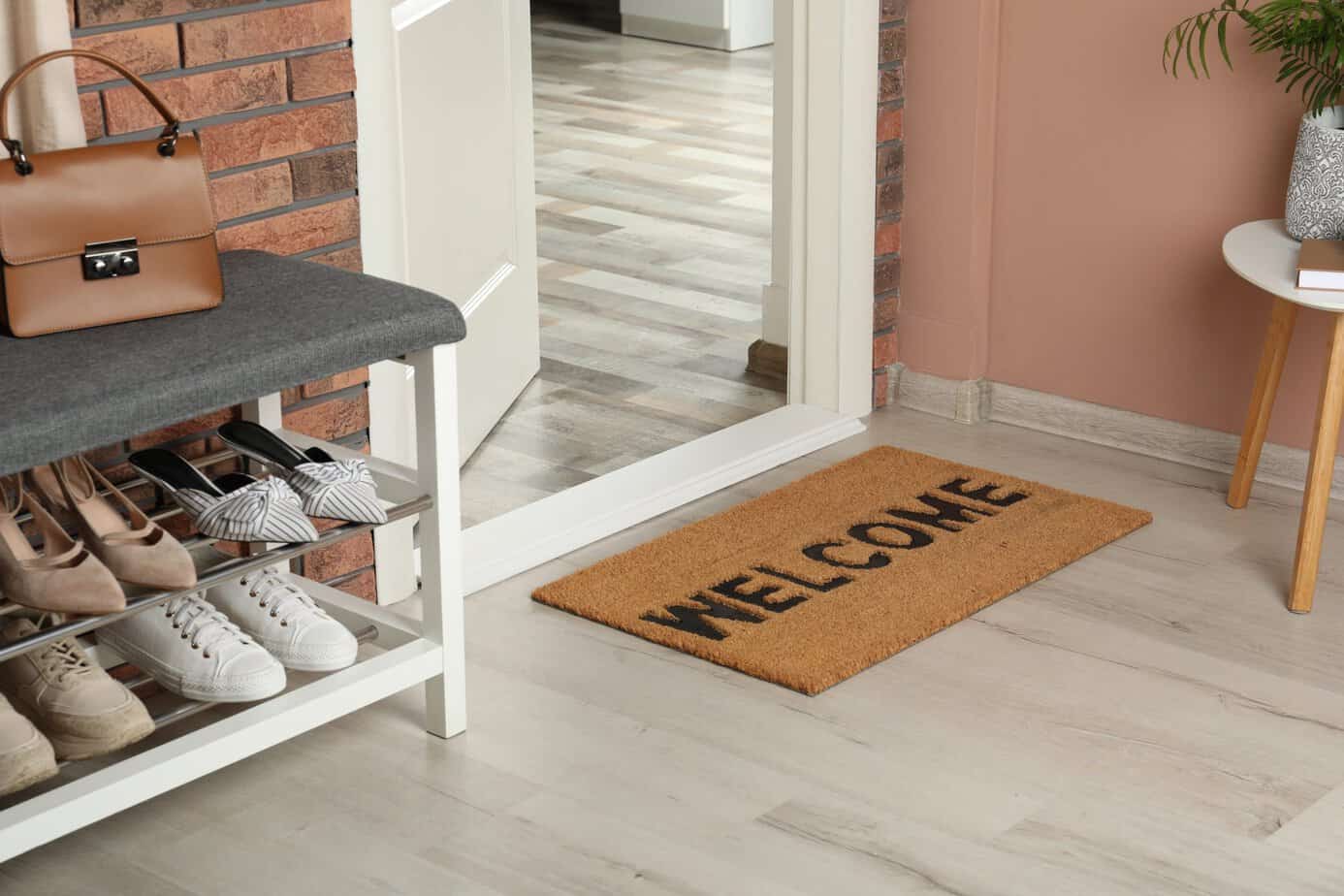
Do you have a “take your shoes off at the door” rule at your house, or do your shoes follow you through the house? Years ago, I learned in my master’s program that it’s a good idea not to wear outdoor shoes indoors. Sadly, I can’t say we always do that at home. We’ve typically entered through the front door, and I don’t like seeing piles of shoes there like at my daughter’s former home in Hawaii. It’s also a sensory issue for me—I dislike feeling dirt or anything on my bare feet.
Now that we enter our house through the back door and I’ve started wearing slippers in the house, I have no excuse not to keep slippers by the back door and carry my outdoor shoes straight to the closet instead of tracking them through the house.
You may take your shoes off at the door based on habit, culture, or comfort, but the science adds a few more compelling reasons.
Reason #1: Your shoes track in more than dirt
We usually think of shoes tracking in dirt, but we also bring tiny particles, chemicals, and microbes indoors. Studies comparing “shoes‑on” and “shoes‑off” schools have found more fine particles and higher levels of heavy metals like lead, zinc, and nickel in the dust where shoes are worn inside.
Shoes also carry microbes. Several studies have found bacteria such as C. difficile, Listeria, and Salmonella on shoe soles, and veterinarians worry about hardy viruses like parvovirus for the same reason—it can be tracked in on shoes and pet paws and linger in the environment.
Reason #2: Shoes change your indoor air and dust
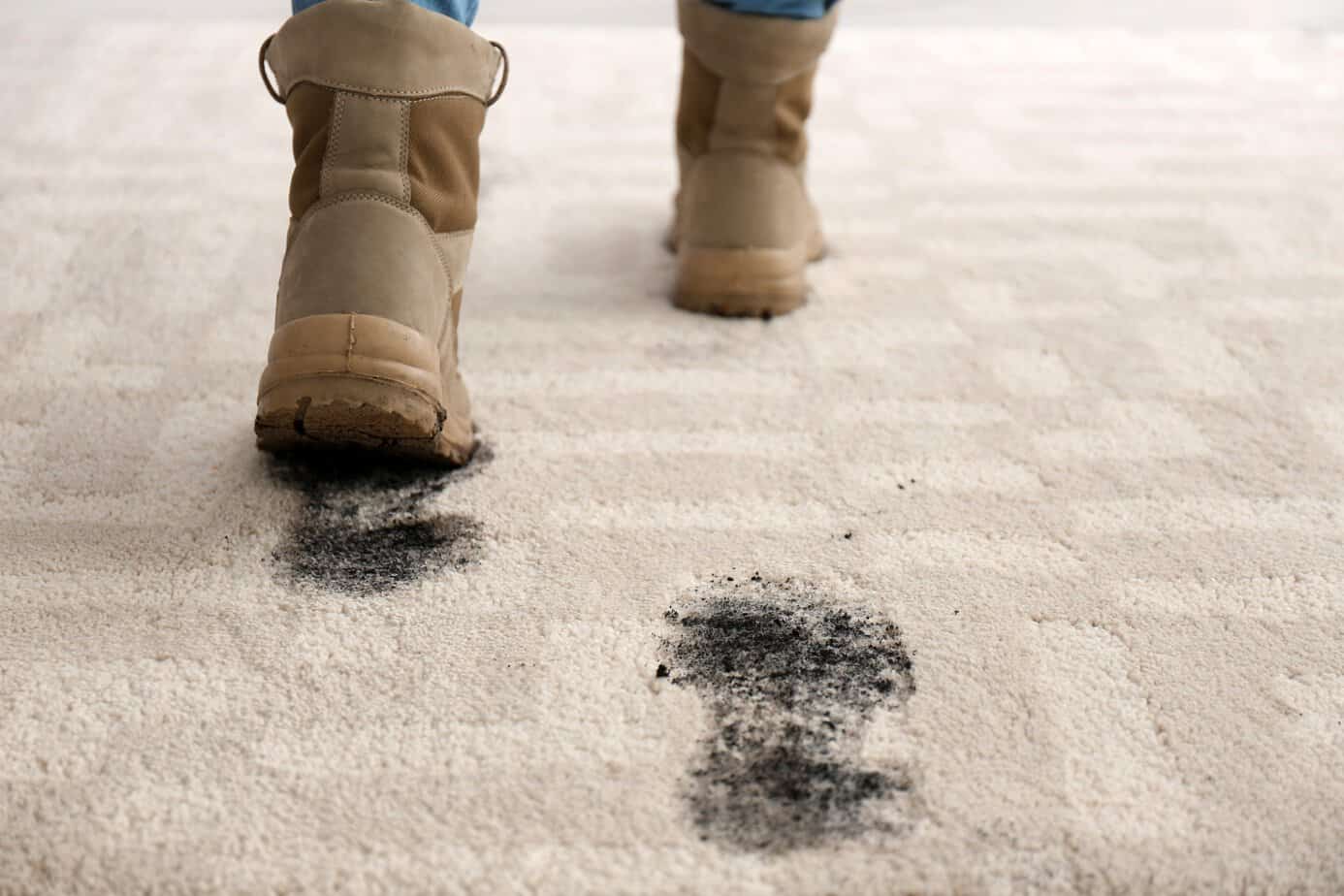
Those contaminants ride in on shoe soles, get ground into floors and carpets, and then get stirred up into the air and mixed into household dust. That dust doesn’t just sit on floors—it becomes part of the air you breathe and the surfaces babies, pets, and anyone spending time on the floor are exposed to.
This matters most for crawling babies and toddlers, pets, people with allergies or asthma, and anyone with a weaker immune system, because they’re closer to the floor and breathe more of that dust.
Reason #3: Shoes can spread infections
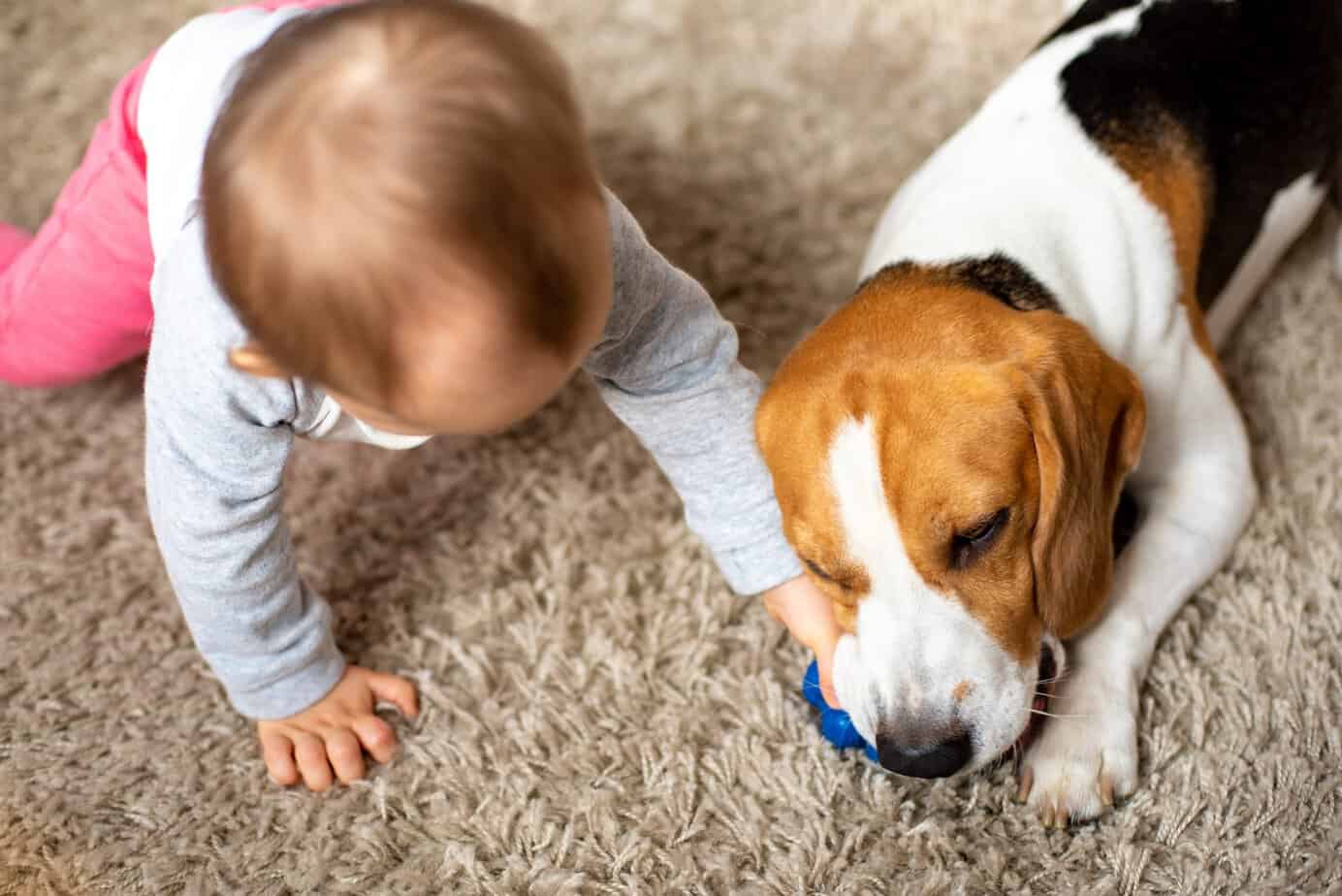
From a distance, shoe soles look clean, but under a microscope they often aren’t. Research has found that shoe soles can carry bacteria linked to diarrheal illness and foodborne infections, and some studies even uses shoes as a way to monitor environmental contamination in communities.
Viruses like parvovirus are known to survive on surfaces and can be tracked into homes where they pose a risk for animals. Taking shoes off at the door lowers the odds of bringing these germs into the spaces where you eat, play, and rest.
Reason #4: Shoes-off Makes Home More Comfortable and Easier to Maintain
A take your shoes off at the door policy is as much a quality‑of‑life habit as it is a health habit. Shoes grind grit into hardwood and laminate, wear down carpet fibers, and make it harder to keep floors feeling clean. For people with sensory issues, including those who strongly dislike feeling grit or dampness on their feet, a shoes‑off policy and indoor slippers can make the home feel safer and more relaxing. It also reduces the need for constant sweeping and mopping, which protects your time and your flooring.
Reason #5: In Many Cultures, Shoes-Off is a Sign of Respect
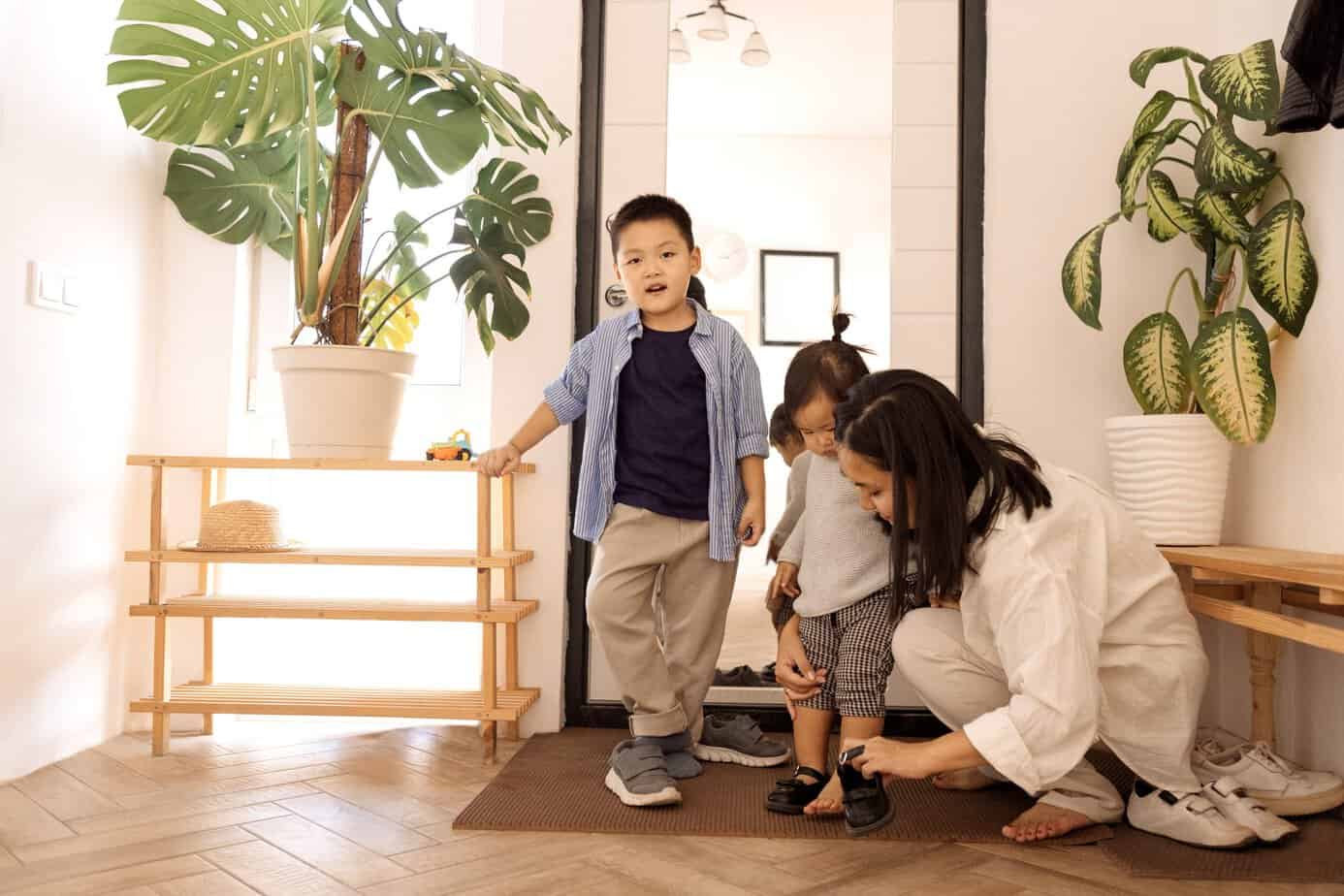
In many countries—especially across Asia, Eastern Europe, Scandinavia, and parts of the Middle East—it’s expected that you take your shoes off before entering someone’s home. Wearing shoes indoors can be seen as unclean and, in some settings, disrespectful. Muddy streets, floor‑level living and eating, and a desire to keep floors clean helped shape these customs. Additionally, some religious traditions treat the home as a semi‑sacred space.
If you build a shoes‑off habit at home, it becomes much easier to remember and honor similar expectations when you’re a guest.
Making a Shoes‑Off Rule Work at Home
Whether you currently remove your shoes or not, the following tips may be helpful.
-
- Offer indoor options. Keep slippers, socks, or clean indoor shoes near the door so bare feet aren’t required.
- Tame the shoe pile. Use closed shoe cabinets or benches with storage, boot trays for wet shoes, or per‑person baskets to keep shoes contained instead of scattered.
- Create a designated shoe zone. Decide where outdoor shoes will live—an entry closet, a bench by the back door, or a mudroom corner—so they don’t migrate into the living areas.
- Make it easy for guests. A small chair, a mat for shoes, and a gentle “we’re a shoes‑off household” reminder (spoken or on a sign) can help people feel comfortable following your rule.
I have benches by both doors that I aim to start using for this purpose rather than for gathering other clutter. Habits aren’t created overnight, so start small and keep going. Over time, we can both figure out what works for our families, homes, and guests and notice a difference in how our floors and air feel.
The science is clear: what comes in on your shoes ends up in your dust or your air. The solution is to find a shoes‑off routine that works for you.

Want weekly Scripture, wellness tips, and anti-inflammatory recipes?
Subscribe to the newsletter below.
No spam. Unsubscribe anytime.
Sources
- Alam MJ, Anu A, Walk ST, Garey KW. Investigation of potentially pathogenic Clostridium difficile contamination in household environs. Anaerobe. 2014;27:31-33. doi:10.1016/j.anaerobe.2014.03.002. https://pubmed.ncbi.nlm.nih.gov/24657158/
- Leppänen T, et al. The effect of the shoeless course on particle concentrations and dust composition in schools. Science of the Total Environment. 2020;710:136272. doi:10.1016/j.scitotenv.2019.136272. https://www.sciencedirect.com/science/article/abs/pii/S0048969719362680
- Aparicio VC, Kaseker J, Scheepers PTJ, et al. Pesticide contamination in indoor home dust: a pilot study of non‑occupational exposure in Argentina. Environ Pollut. 2025;373:126208. https://ri.conicet.gov.ar/handle/11336/267289
- Rashid T, VonVille HM, Hasan I, Garey KW. Shoe soles as a potential vector for pathogen transmission: a systematic review. Journal of Applied Microbiology. 2016;121(5):1223-1231. doi:10.1111/jam.13250. https://enviromicro-journals.onlinelibrary.wiley.com/doi/full/10.1111/jam.13250
- Wojtacka J, et al. High contamination rates of shoes of veterinarians, veterinary hospital staff and veterinary students with Clostridioides difficile. Vet Sci. 2021;8(2):27. https://pmc.ncbi.nlm.nih.gov/articles/PMC9292942/
- Jo J, Gonzales-Luna AJ, Lancaster CK, McPherson JK, Begum K, Alam MJ, Garey KW. Multi-Country Surveillance of Clostridioides difficile Demonstrates High Prevalence of Spores in Non-Healthcare Environmental Settings. Anaerobe. 2022 Jun;75:102543. https://www.sciencedirect.com/science/article/abs/pii/S1075996422000312?via%3Dihub
0 Comments