
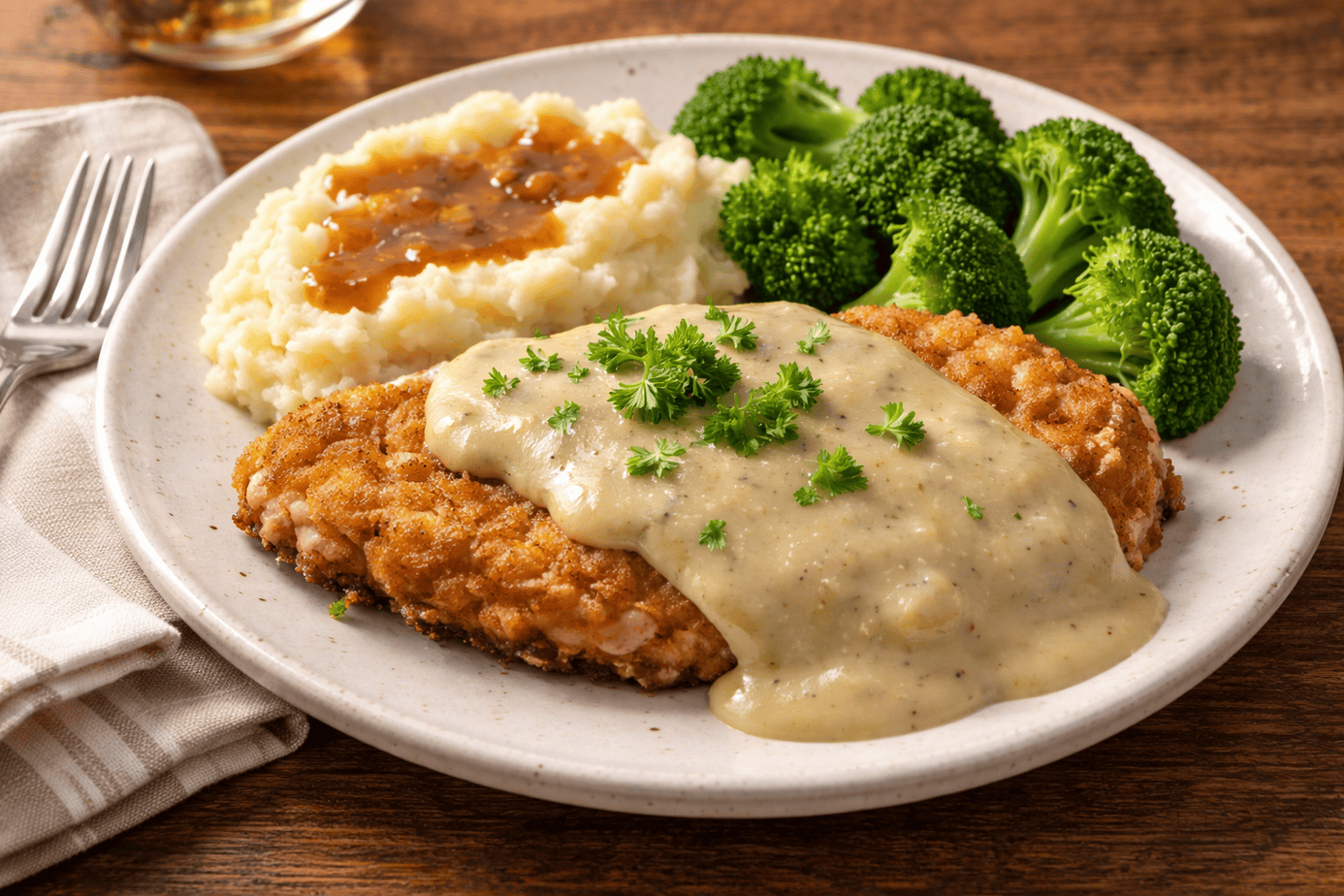
One of my husband’s favorite dishes is chicken-fried steak. My father loved it too, so we often had it when I was a child. But honestly, my mother’s chicken-fried steak wasn’t very good. She used Crisco (ugh), and I never liked her milk gravy.
I didn’t have it for quite some time after I went gluten-free. After years of missing this comfort food classic, I cracked the code to successfully making it gluten-free and dairy-free. Here’s what makes this version not just gluten-free and dairy-free, but actually better than the original.
What Makes This Version Special
The Crispy Coating: Instead of wheat flour, this gluten-free chicken-fried steak recipe uses white rice flour and tapioca starch, generously seasoned with The ONE seasoning. You can use your favorite all-purpose seasoning or a combination of paprika, salt, and pepper. This creates an incredibly crispy, golden crust that stays crunchy—even better than traditional breading. The rice flour gives you that satisfying crackle, while the tapioca adds delicate lightness. The double-dredge technique creates those gorgeous craggy bits that get extra crispy.
I recommend avocado oil for frying instead of inflammatory seed oil or hydrogenated shortening (trans fats). It’s a stable, neutral oil that handles high heat without breaking down.
The game-changer is the gravy. Instead of bland, heavy milk gravy, I created a silky white wine gravy that’s both dairy-free and incredibly flavorful. Optional dry white wine, such as a chardonnay, adds depth and subtle acidity that cuts through the richness. Fresh garlic sautéed in ghee creates an aromatic base, while cashew milk makes it creamy without dairy. Pan drippings from the fried steak add that essential savory flavor, while a parsley garnish adds a touch of brightness.
Note: I prefer to avoid the gums and additives in most store-bought nut milks, so I make my own cashew milk using my Almond Cow machine. In less than a minute, it makes fresh milk using only raw cashews and filtered water.
The Result: You get a crisp, well-seasoned crust, tender steak, and a silky white wine herb gravy—all without gluten or dairy. It feels like true comfort food, but made with better fats, real ingredients, and plenty of fresh herbs.
This is the kind of special occasion meal I can happily serve to my family, guests, and anyone who thinks gluten-free food can’t be delicious.
The Truth About Fried Food…
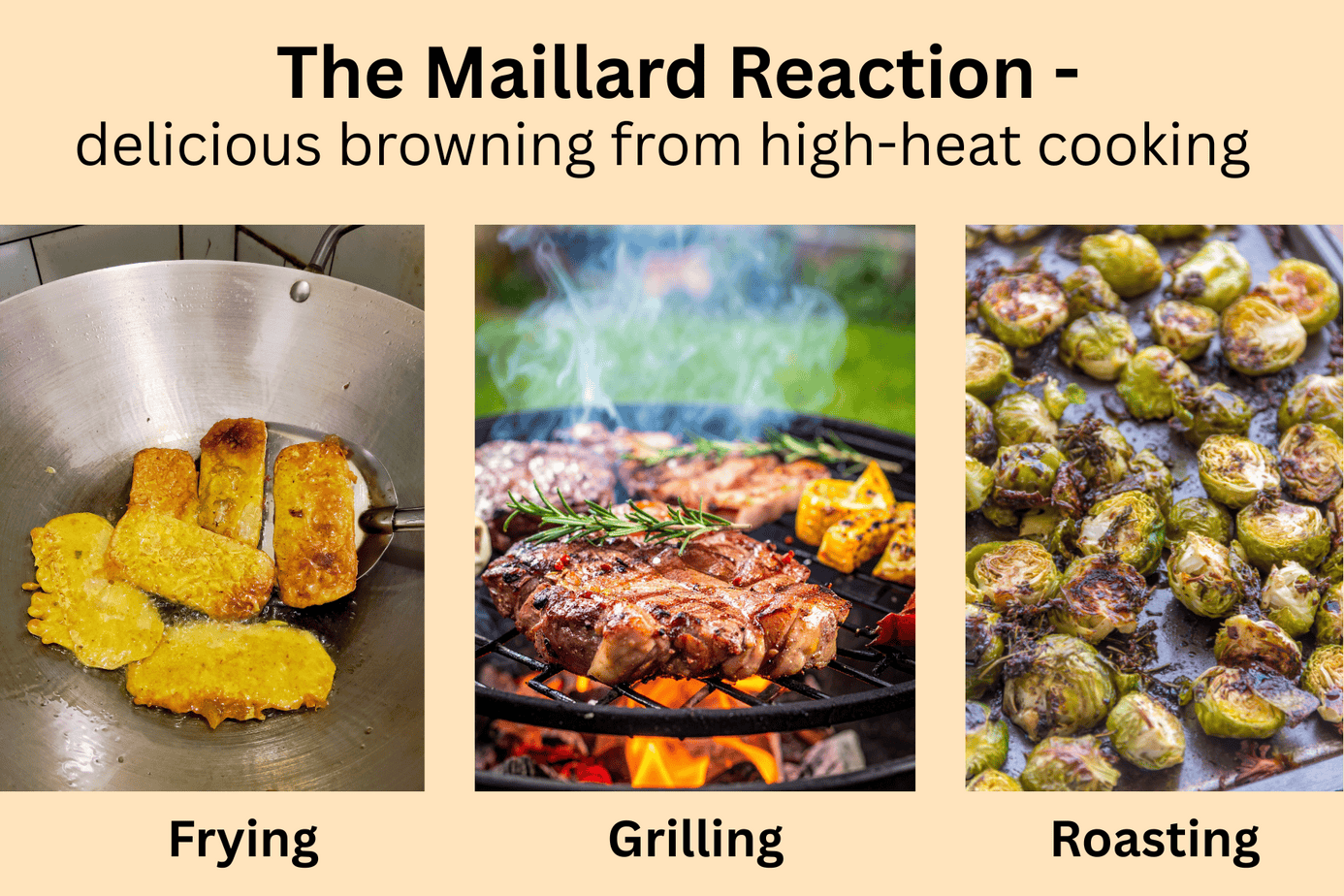
We’ve all heard that fried food is unhealthy. And yes, high-heat cooking—whether it’s frying, grilling, or roasting—creates some inflammatory and carcinogenic compounds. This occurs during what’s known as the Maillard reaction (browning), which also makes food delicious. These compounds include:
-
- AGEs (Advanced Glycation End Products) – linked to inflammation and aging
- Acrylamide – forms in starchy foods at high temps (potential carcinogen)
- HCAs (Heterocyclic Amines) – from cooking meat at high temps
- PAHs (Polycyclic Aromatic Hydrocarbons) – from charring or smoking
So why am I, a functional nutritionist, sharing a recipe for chicken-fried steak?
Because context matters, and perfect is the enemy of good.
Frequent fried‑food intake (several times per week) is associated with higher risk of cardiovascular disease, type 2 diabetes, and heart failure. The risk rises with frequency and pattern, not with an occasional portion in an otherwise whole‑food pattern.
However, AGEs and similar compounds are not the only or biggest driver for most people. I believe God’s design allows us to occasionally eat browned, roasted, or fried foods. After all, humans have used fire and high-heat cooking for hundreds of thousands of years. The Maillard reaction isn’t new—it’s as old as cooking itself.
How Your Body’s Natural Design Handles This
Further, your body has detoxification systems designed to handle occasional exposure—especially when you’re supporting those systems with nutrient-dense foods the rest of the time. As long as the total load isn’t chronic and overwhelming, our detox systems can handle natural variation. In other words, an occasional celebratory meal once or twice a month is not the problem.
What our bodies aren’t designed to handle is the daily pattern of stressors, such as:
-
- Chronic exposure to industrial seed oils and trans fats (chronic inflammation)
- Regular gluten exposure (inflammation and gut permeability)
- Frequent fried food and ultra-processed foods
- High-sugar, high-refined-carb intake (blood sugar dysregulation)
- Chemical additives our ancestors never encountered
- Poor sleep (impaired healing)
- Chronic stress (cortisol dysregulation)
- The stress of food perfectionism, known as orthorexia
When these are considered, AGEs from occasional high‑heat cooking become a lower‑tier concern. The reality is that someone eating fried food once a month in clean fats is doing better than someone eating salads with inflammatory seed‑oil dressing every day.
God gave us taste buds that find browned food delicious for a reason. So, the occasional fried meal, made with natural, real food ingredients, isn’t the enemy. The enemy is the daily pattern of inflammatory foods. It’s about the pattern, not the individual meal.
AGE Mitigation Strategies
Just as with other toxins, we can’t completely eliminate AGEs and related compounds, but we can effectively reduce them. When you fry food:
-
- Use stable fats (tallow, avocado oil); they oxidize less than seed oils.
- Don’t overheat the oil; keep it around 350–375°F, not smoking.
- Never reuse oil; restaurants reusing oil compounds the problem over time.
- Marinate meat first; acids and antioxidants help reduce some HCA formation.
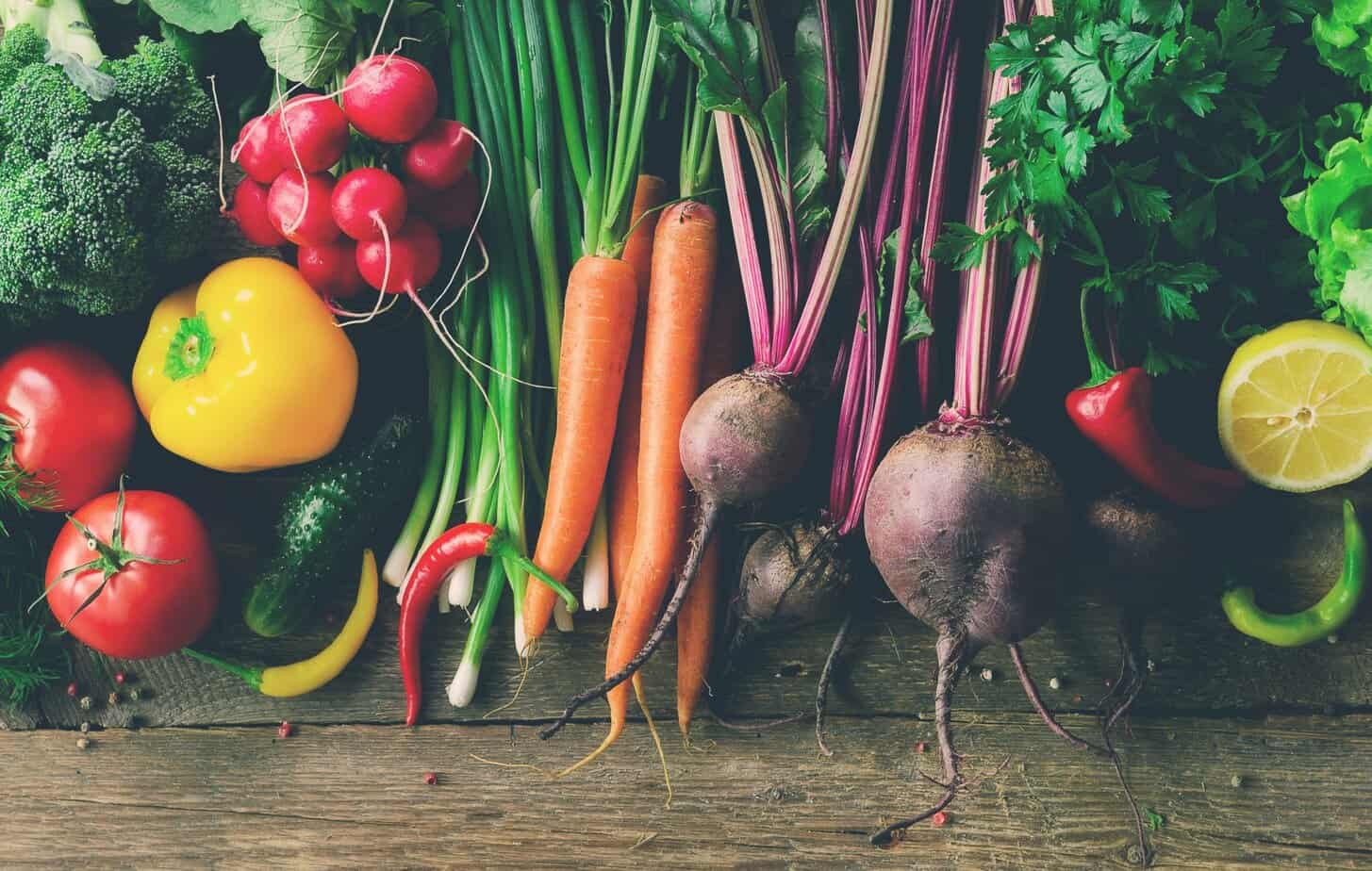
- Pair with antioxidants; serve with colorful vegetables and fresh herbs.
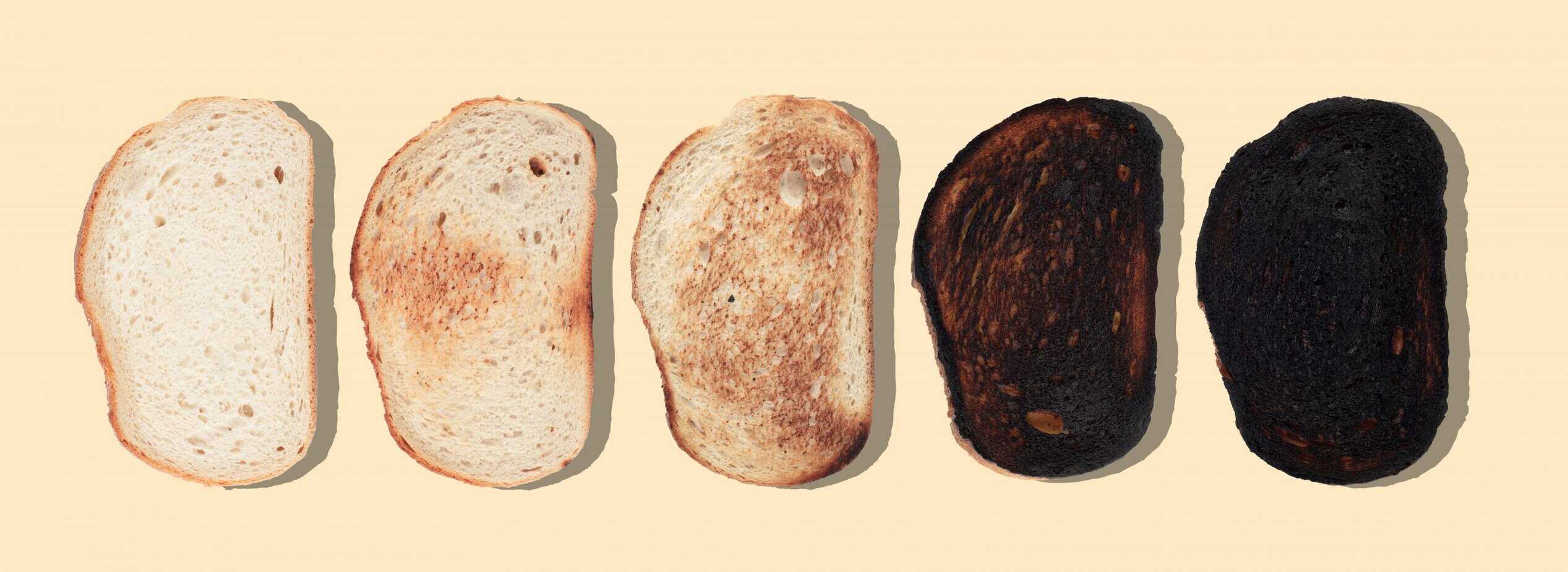
- Avoid charring; golden brown is good, but blackened is not.
Even better, add protective compounds like:
-
- Fresh herbs in the coating and gravy (antioxidants that help neutralize free radicals)
- Bone broth gravy (glycine and minerals that support repair and detox)
- Healthy sides, such as fermented vegetables to support detox pathways and leafy greens for extra antioxidants
Who This Recipe Is For
Am I saying everyone should eat this? No.
Am I saying this chicken-fried steak is a health food? No.
Am I saying it’s okay to enjoy comfort food occasionally when you’ve built a solid nutritional foundation? Absolutely.
However, if you’re eating processed foods daily, already inflamed, consuming seed oils regularly, or not supporting your detox pathways, adding more high-heat cooking is just one more stressor.
This recipe is for people who have built a solid nutritional foundation and want to enjoy special occasions without derailing their progress.
How to Make Gluten-Free Chicken-Fried Steak
- Double-Dredge: Coat each steak in seasoned flour, dip in the egg wash, then back into the flour. Let the coated steaks rest for 5 to 10 minutes before frying.
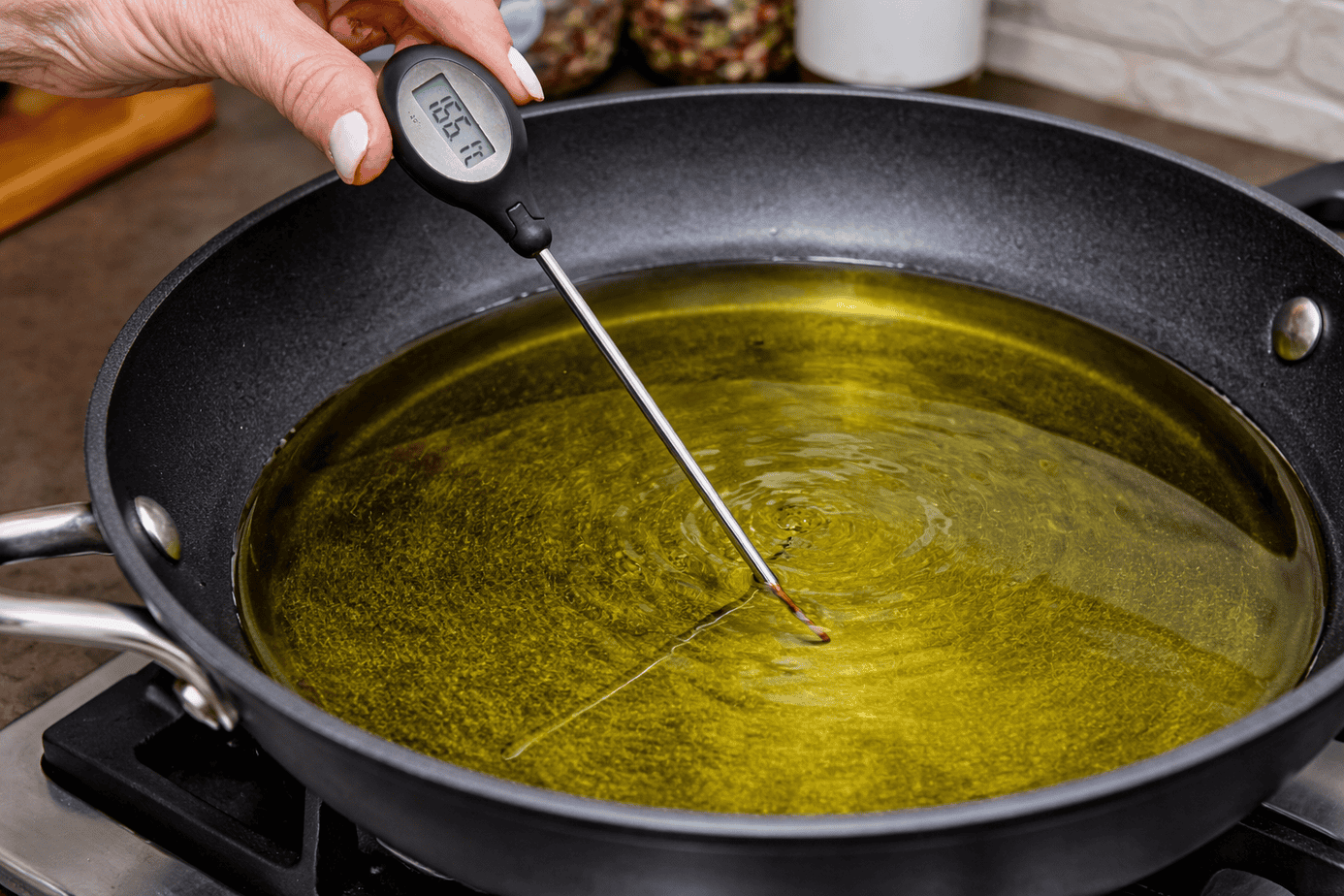
- Fry: Heat avocado oil to 350°F (use a thermometer!). Fry each steak about 3 minutes per side until golden brown.
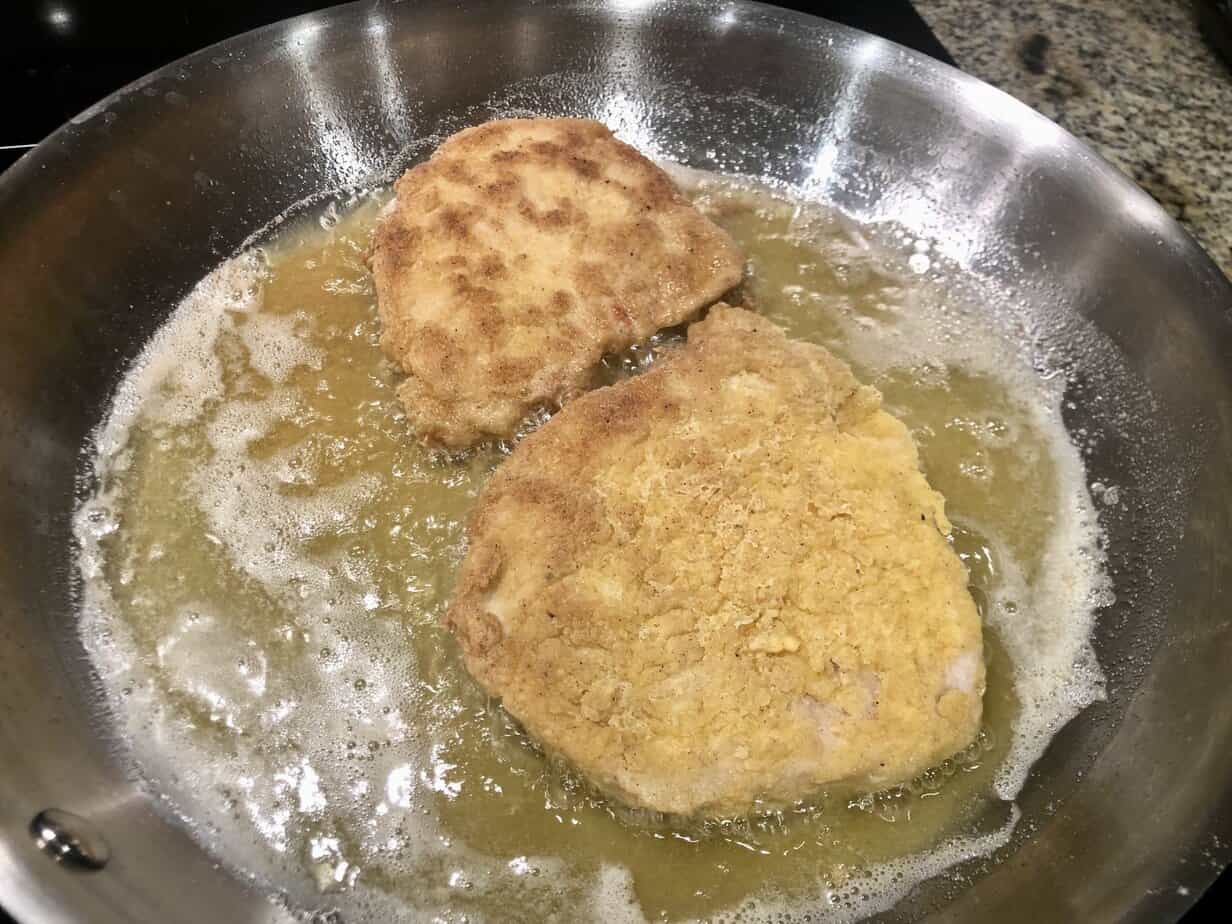
- Make the White Wine Gravy: Use the pan drippings as your base. Sauté garlic in ghee, whisk in flour, then wine and cashew milk. Simmer until thickened.
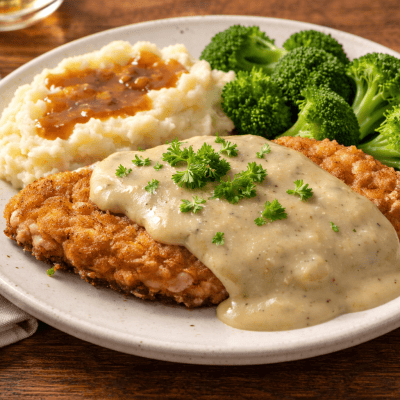
- Serve and Enjoy Top the steak with creamy gravy and fresh parsley. Pair with nutrient-dense sides for a balanced meal.
Frequently Asked Questions
Can I make this without the wine?
Can I use a different milk?
What if I can't or don’t have ghee?
If you tolerate dairy, regular butter works beautifully. Ghee adds a rich, nutty, buttery depth to the gravy that dairy-free versions won’t quite match, but vegan butter or more avocado oil will still work well.
To learn about the benefits of ghee and how to make your own, check out this post.
What is The ONE seasoning, and can I substitute it?
Get In the Kitchen
Ready to make this crispy, comfort food classic? This chicken-fried steak is best served with simple sides that add nutrients without competing for attention. Consider steamed broccoli or cabbage to support detox pathways, a crisp salad with olive oil and lemon juice dressing, or my favorite—mashed celeriac or cauliflower smothered with the delicious gravy.
If you love chicken-fried steak, you’ll also want to try my Gluten-Free Finger Steaks.

Want weekly Scripture, wellness tips, and anti-inflammatory recipes?
Subscribe to the newsletter below.
No spam. Unsubscribe anytime.
Gluten-Free Chicken-Fried Steak (also Dairy-Free)
Ingredients
- 1 1/2 cup plain, unsweetened cashew milk, divided
- 1 teaspoon lemon juice
- 1 1/2 pounds cube steaks, (See Note)
- 1 1/4 cups white rice flour
- 1/4 cup tapioca starch
- 1 tablespoon The ONE seasoning, (or paprika + salt + pepper)
- 1/2 teaspoon baking powder
- 1/2 teaspoon baking soda
- 2 eggs
- 1/3 cup avocado oil, (or enough to be about 1/4 inch deep)
- 2 tablespoons ghee
- 2 garlic cloves, minced
- 1/3 cup dry white wine, such as chardonnay (optional; see Note)
- 1 tablespoon finely chopped fresh parsley for garnish, (optional)
Instructions
Prepare the coating:
- In a small bowl, combine 1/2 cup of cashew milk and lemon juice. Set it aside to sour.
- Pat the steaks dry with a paper towel. Cut into serving size pieces and set aside.
- In a shallow dish or pie pan, combine the flour, tapioca starch, The ONE seasoning, baking powder, and baking soda. Set aside.
- In another shallow dish, whisk together the eggs and soured cashew milk.
- Dredge each cube steak in the flour mixture, shaking off any excess. Dip in the egg mixture, shaking off excess, and then back into the flour mixture, coating well. Place on parchment paper or a baking sheet until all the steaks are coated. Let rest 5 to 10 minutes.
Cook the steaks:
- Heat the oil in a large, deep skillet over medium heat (about 325ºF), and preheat the oven to 250ºF. Fry the steaks in the oil for about 3 minutes per side until golden brown on each side. Transfer the browned steaks to a paper towel-lined baking sheet. Once all of the steaks are browned, discard the paper towels and transfer the baking sheet to the oven to keep warm.
Make the gravy:
- Carefully pour off all but about two tablespoons of the oil from the skillet. Add the ghee and garlic. Cook, stirring to scrape the fond from the bottom of the skillet, melt the ghee, and toast the garlic slightly. While stirring, sprinkle in the reserved flour. Continue cooking and stirring for about 30 seconds.
- Whisk in the white wine and the remaining 1 cup of cashew milk until well combined. Continue stirring and simmering for 7 to 10 minutes until the gravy is thickened and most of the alcohol has evaporated. If it gets too thick, add more cashew milk a little at a time.
- Serve garnished with fresh parsley, if desired.