
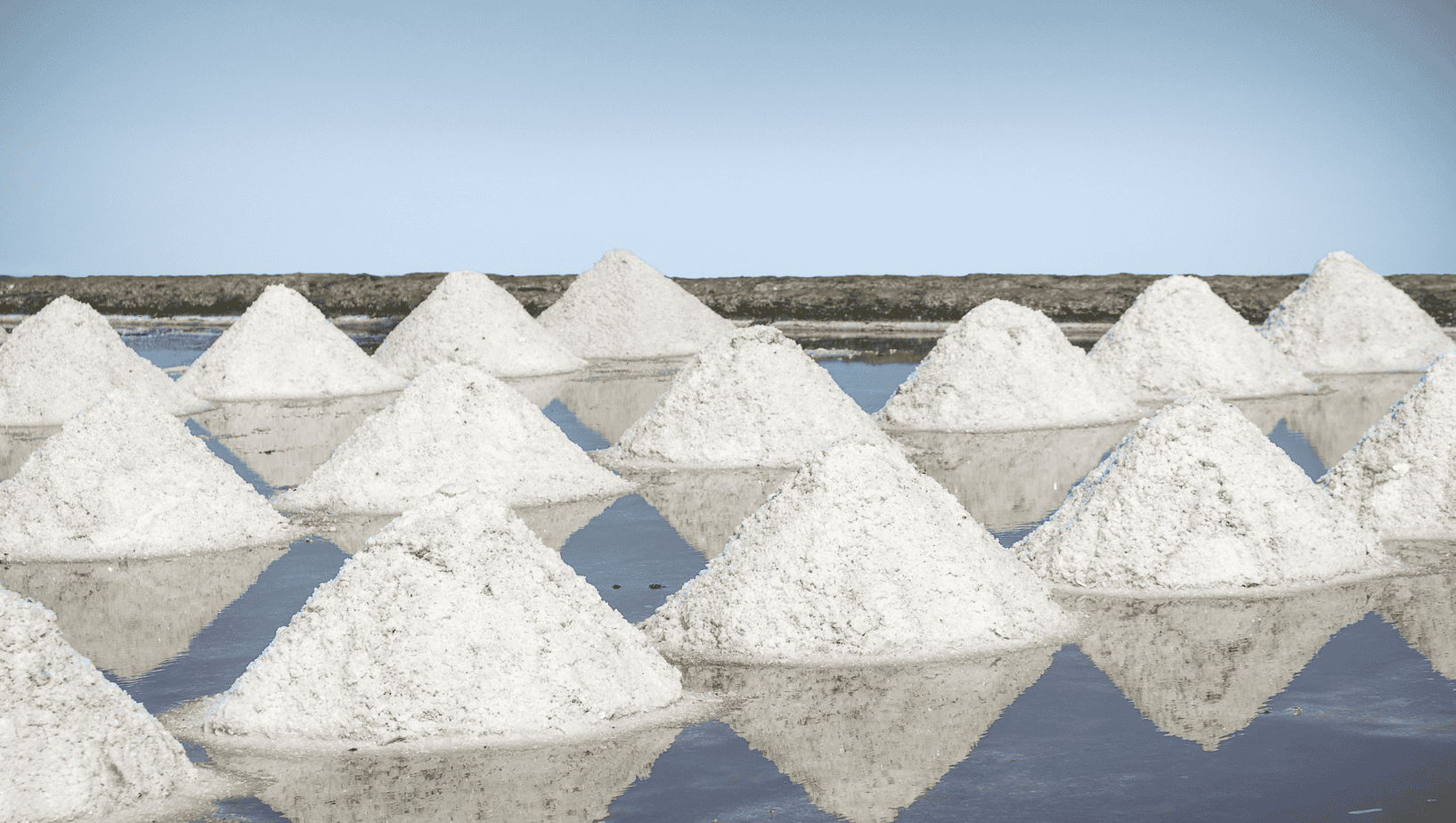
Is salt bad for you? It depends on who you ask—and what kind of salt you’re talking about.
Few minerals have been as praised and vilified as salt. For decades, public health messaging has treated it as a primary driver of high blood pressure and heart disease—something to minimize and fear.
Meanwhile, the natural health world has swung in the opposite direction. It declares that Himalayan pink salt and Celtic sea salt are practically medicinal. The truth, as usual, lies somewhere more nuanced than either camp admits.
In this post, I’ll show you some of what salt does in your body. I cover who genuinely needs to be more careful, what the research says about sodium and chronic disease, and why the saltshaker on your table is probably not your biggest problem.
God’s Design: Why Your Body Needs Salt
Salt has been essential to human life since the beginning. Your body cannot make sodium on its own. Every cell, nerve, and organ depends on what you consume. That is not a design flaw. It’s intentional.
Sodium is the primary electrolyte in your extracellular fluid. It helps govern how much water your body holds and where it goes. Without adequate sodium, cells cannot maintain hydration. Blood volume drops. Your heart works harder to circulate what remains.
Sodium is also essential for nerve transmission. Every signal your brain sends to your muscles, including your heart, depends on sodium moving in and out of cells.
Further, salt plays a critical role in digestion. Sodium chloride is the raw material your stomach uses to produce hydrochloric acid, which helps break down protein, absorb minerals, and keep harmful bacteria from taking hold in your gut. Low stomach acid—common in people with gut dysfunction and autoimmune conditions—is sometimes connected to low sodium intake.Your adrenal glands regulate sodium through a hormone called aldosterone. When you are under chronic stress, your adrenals are already taxed. Cutting sodium too aggressively in that state can compound the problem, contributing to fatigue, dizziness, brain fog, and electrolyte imbalance.
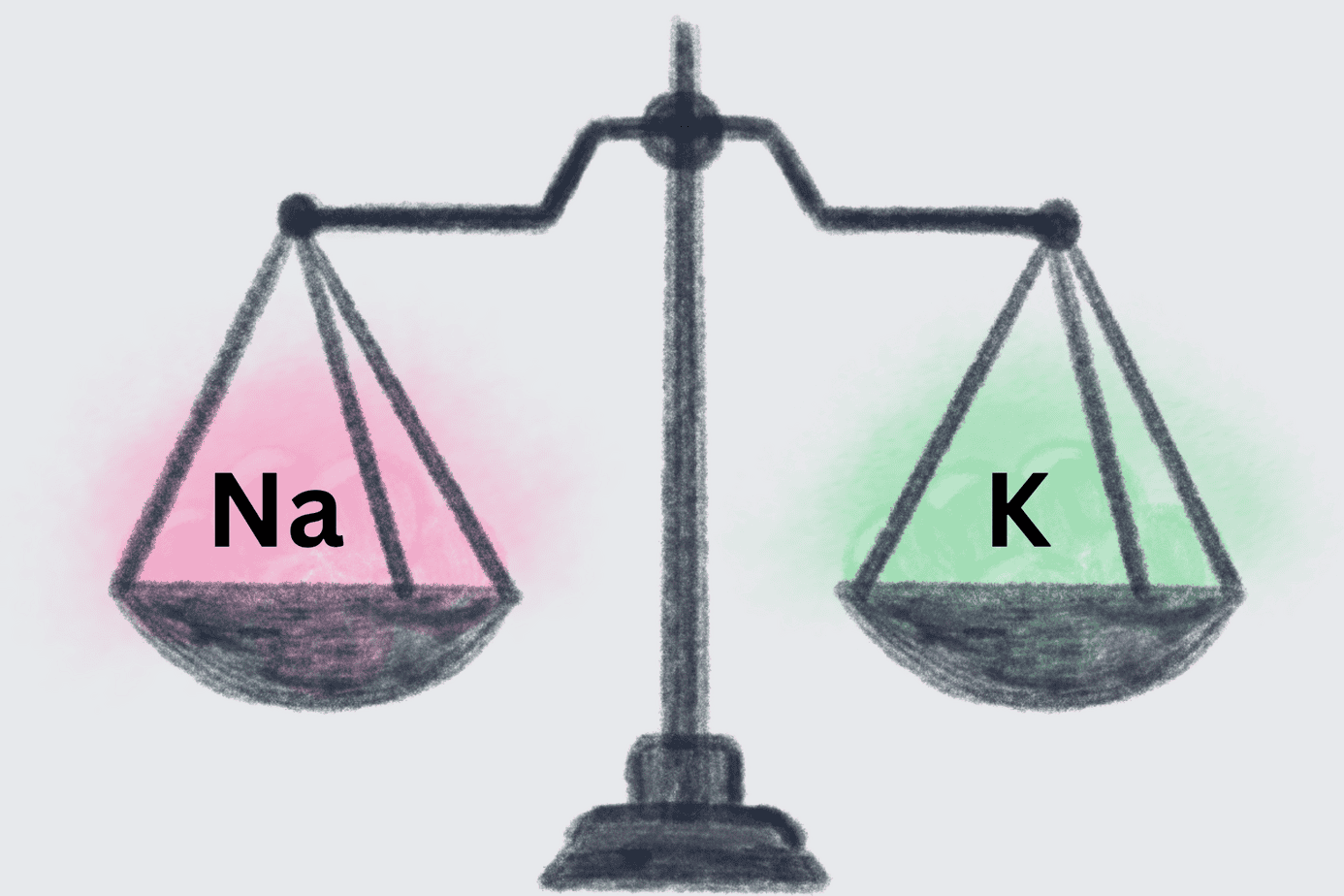
Balance is key. Sodium doesn’t work in isolation. It partners with potassium, magnesium, and other electrolytes to maintain fluid balance inside and outside your cells. When sodium drops too low relative to potassium, the ratio is thrown off, and the body struggles to maintain normal function. This isn’t theoretical. A friend cut salt so aggressively she ended up in the emergency room with dangerously low sodium levels and a disrupted sodium potassium ratio.
The goal is not to eliminate salt. It’s to understand what your body actually needs and where your salt is coming from.
The Truth About Sodium and Chronic Disease
While the salt–blood pressure connection is real, for most generally healthy people, moderate salt intake is not the main driver of chronic disease it’s often made out to be. High sodium intake can raise blood pressure in some people. However, the effect is modest for many individuals, and depends heavily on overall diet, potassium intake, kidney function, and genetics (more on that later).
Several large studies have found that people who consume more sodium tend to have higher rates of overall and abdominal obesity. These patterns persist even after accounting for differences in calorie intake and lifestyle. Researchers are still working to understand why. Some studies suggest that very high‑salt diets can influence hormones involved in metabolism, including cortisol, leptin, and ghrelin. Over time, these shifts may affect appetite and fat storage.
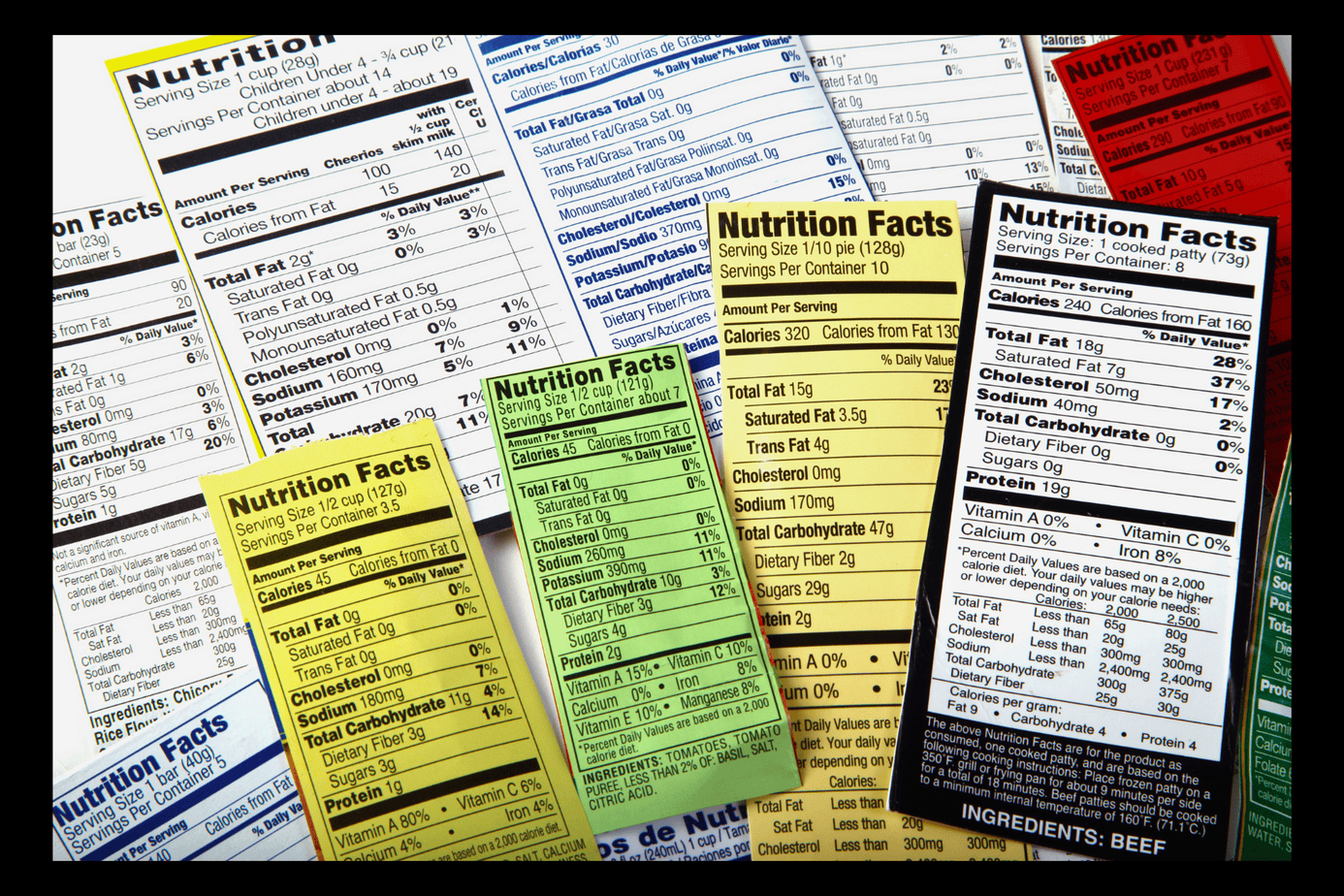
The average American consumes 44% more than the recommended 2,300 milligrams of sodium per day. Most of it is not coming from the saltshaker. Roughly 70% of total sodium intake comes from processed foods and restaurant meals. The top sources include deli meats, pizza, burritos, soups, chips, and crackers. Salt is one of the primary tools that food engineers use to hit the bliss point—the precise combination of flavors that makes processed food nearly impossible to stop eating.
A diet built on ultra‑processed foods does far more harm through its combined load of refined carbohydrates, seed oils, additives, and, yes, excessive sodium than the salt you sprinkle on a home‑cooked, blood‑sugar‑friendly meal ever could. That’s why, for most healthy people, the better question isn’t simply ‘Is salt bad for you?’ but ‘In what foods—and in what overall pattern—am I eating it?’
Salt Sensitivity: Why Some People Need to Be More Cautious
Not everyone responds to salt the same way. That’s an important nuance that often gets lost in one‑size‑fits‑all advice.
Researchers describe two broad patterns: salt sensitivity and salt resistance. In people who are salt sensitive, even moderate changes in sodium intake of one to two grams per day can produce marked increases in blood pressure. This can happen because of genetics that affect how the kidneys handle sodium, pre‑existing hypertension (high blood pressure), kidney disease, or simply older age. The prevalence of salt sensitivity is higher in women than in men.

Salt resistance is the opposite pattern. In salt‑resistant people, the kidneys efficiently excrete extra sodium across a range of intakes, keeping blood pressure stable. This also appears to be largely genetic. Some people are simply wired to tolerate more sodium without a big blood pressure response. For these individuals, moderate sodium intake is less likely to raise cardiovascular risk on its own.
Large population studies suggest that the lowest risk of cardiovascular disease and death is often seen with a moderate sodium intake, roughly in the 3 to 5 gram per day range. Interestingly, risk increases both above and below that range. That pattern confirms the importance of not being too restrictive.
So, what do you do with this? If you have hypertension, kidney disease, heart failure, or a strong family history of high blood pressure or stroke, moderating sodium intake is reasonable and well supported. If you are otherwise healthy with normal blood pressure, the more important question is where your sodium is coming from.
If you’re working to lower your blood pressure, you may also find my full post, Natural Blood Pressure Solutions for Gut and Heart Health, helpful where I cover root causes of hypertension and practical dietary and lifestyle strategies to manage it.
Why I Don’t Recommend Bleached Iodized Salt—and What to Use Instead
The human body needs iodine to make thyroid hormone, which is essential for brain and nervous system development before birth and for metabolism throughout life. Too little in pregnancy can lead to intellectual disability, growth problems, hearing loss, and other issues, while deficiency in adulthood can slow metabolism and cognition and contribute to infertility, goiter (thyroid enlargement), and other thyroid disease
Large regions of the United States and other countries have low iodine in the soil, which means low iodine in locally grown food. Therefore, public health programs began adding iodine to refined table salt in the early 20th century to prevent these problems, and it worked well. However, today, iodized salt is typically a highly refined, bleached product that is almost pure sodium chloride with added iodine and anti‑caking agents. It provides iodine but no meaningful trace minerals, so there are much better ways to obtain iodine.
You can get iodine from real foods and, if needed, from a thoughtfully chosen supplement. Ocean fish, shellfish, seaweed, dairy products, and eggs can all be rich sources of iodine. However, iodine content in animal foods depends on the soil and feed where they were raised. Choosing pasture-raised, wild-caught, and high-quality dairy products gives you the best chance of adequate iodine from food. That approach also gives you protein, healthy fats, vitamins, and minerals that iodized salt doesn’t offer.
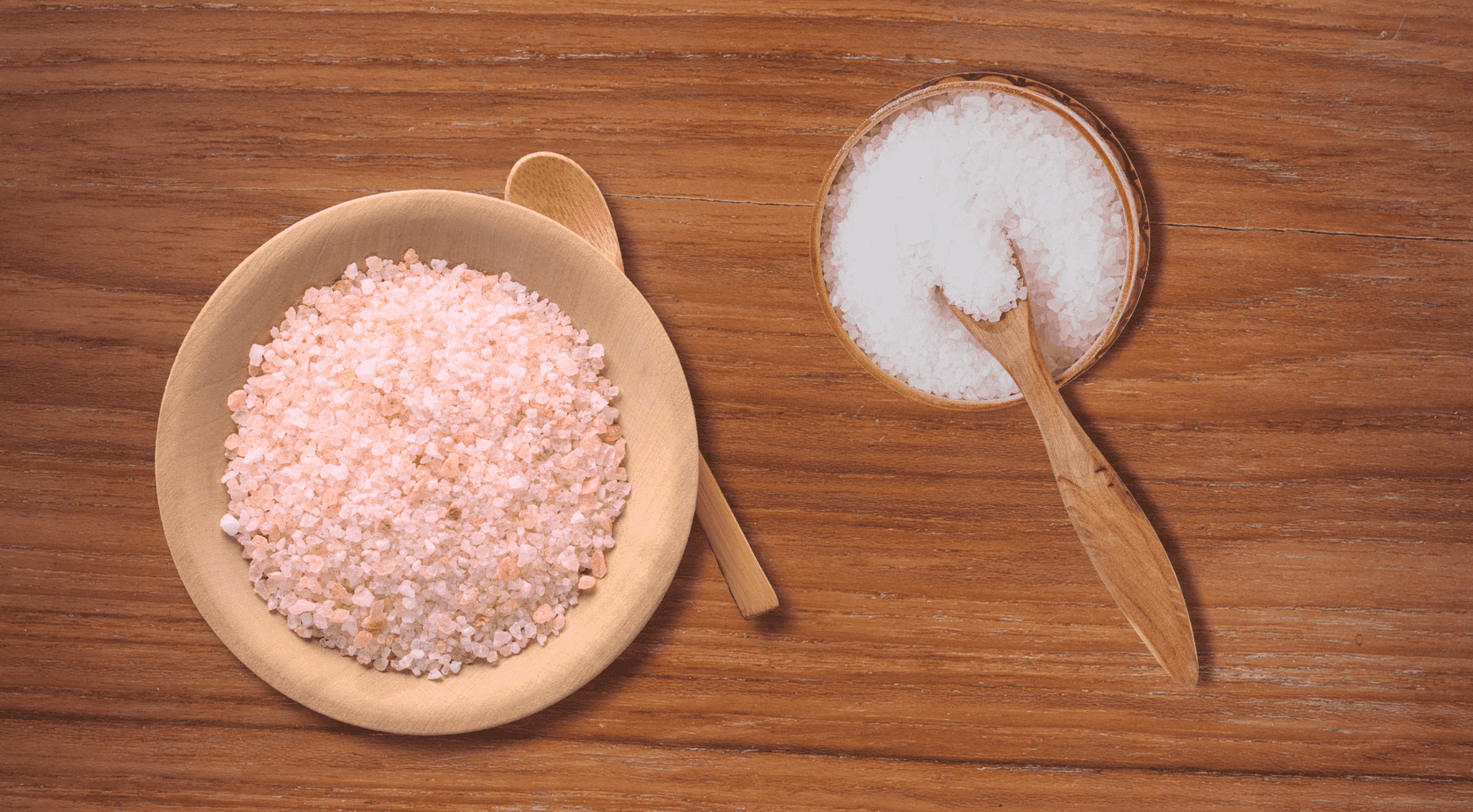
For salting foods at home, I recommend minimally processed salts like unrefined sea salt (such as Redmond or Celtic) or Himalayan pink salt. A true unrefined sea salt should look slightly gray or off‑white, not bright white. These are still mostly sodium chloride, so you shouldn’t treat them as “free,” but they are less processed and contain small amounts of other naturally occurring minerals.
FAQs
Does salt prevent muscle cramps?
Is salt bad for autoimmune disease?
Do I still need iodine if I don’t use iodized salt—and what about Hashimoto’s?
Is Himalayan salt dangerous because of lead?
Pink and Himalayan salts can contain trace amounts of heavy metals, including lead, because they’re mined and minimally processed. However, most brands tested—including the Costco Himalayan pink salt I use—have contaminant levels below current safety limits at normal culinary intakes.
If you’d rather minimize even trace heavy metals, choose unrefined salts from companies that publish third‑party testing showing non‑detectable or very low lead. The absence of a California Prop 65 warning is not a guarantee of purity, but it usually indicates the manufacturer’s testing suggests typical use would keep lead exposure below Prop 65’s very low “safe harbor” threshold.
Stop Wondering, “Is Salt Bad for You?” and Start Using It Well
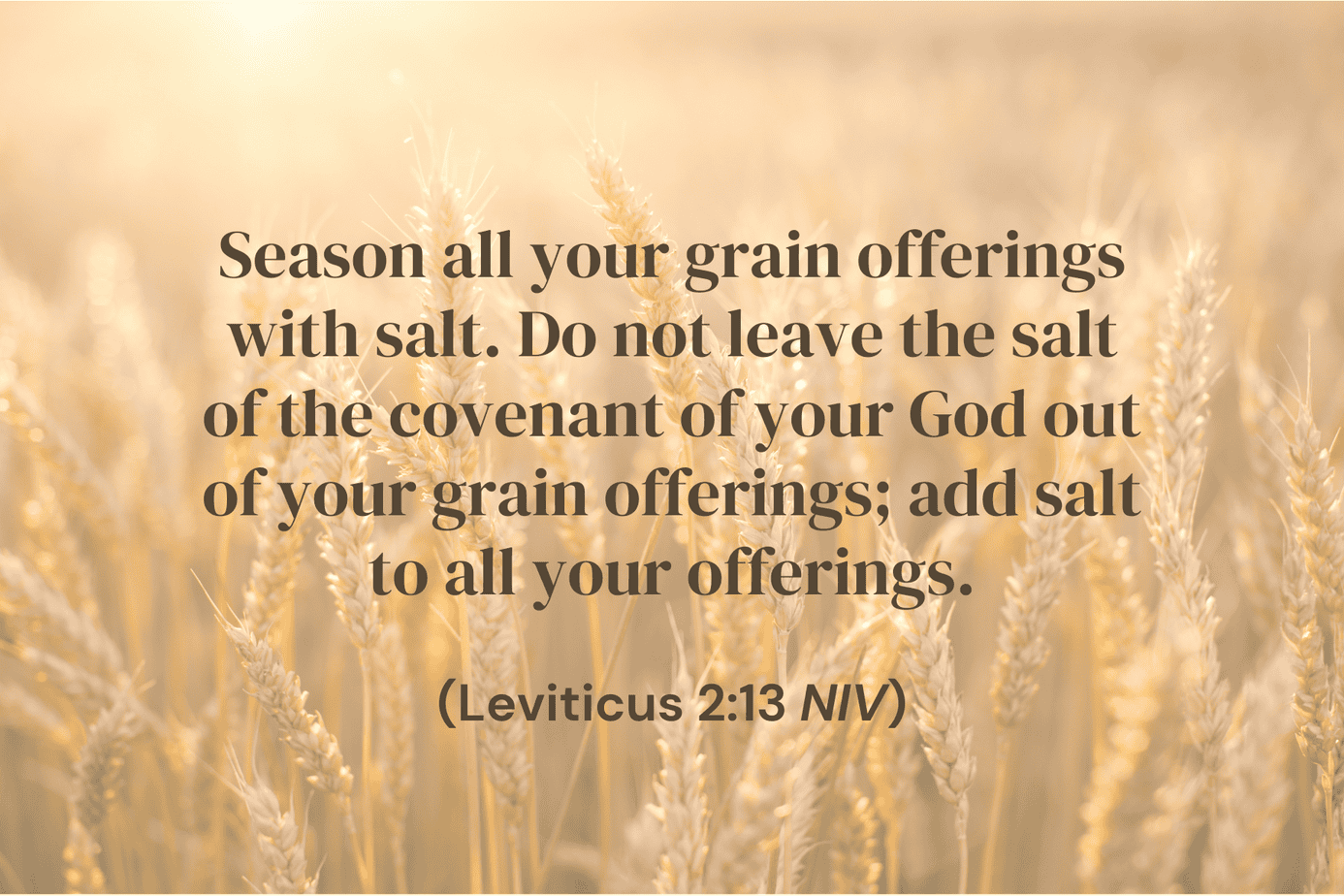
The Bible never treats salt as an enemy. In Matthew 5:13, Jesus calls His followers “the salt of the earth,” an image of something essential, preserving, and valuable when it’s used well. In Leviticus 2:13, every grain offering was to be seasoned with “the salt of the covenant,” a reminder of God’s enduring faithfulness. Even Paul uses salt as a metaphor for words that are gracious and life‑giving, “seasoned with salt” so they nourish instead of harm (Colossians 4:6).
Taken together, these Scriptures can be reminders that salt, like many good gifts, becomes a problem mainly when we distort it. Stripping natural salt as God created it into a bleached industrial product and hiding excessive amounts of it in unhealthy, ultra‑processed foods is not good stewardship.
If you’re ready to stop fearing salt and start using it wisely, you can begin by:
-
- Cooking more iodine-rich foods at home
- Seasoning with unrefined salt
- Monitoring your blood pressure and working with a practitioner who looks at a full thyroid panel—not just TSH.
If you’d like support personalizing this around your health history, click here to schedule a 15-minute chat to see if I can help.

Want weekly Scripture, wellness tips, and anti-inflammatory recipes?
Subscribe to the newsletter below.
No spam. Unsubscribe anytime.
Sources
- Bailey MA et al. 2024. Salt Sensitivity: Causes, Consequences, and Recent Advances. Hypertension.
https://www.ahajournals.org/doi/10.1161/HYPERTENSIONAHA.123.17959 - Balan Y et al. 2020. High dietary salt intake activates inflammatory cascades via Th17 immune cells: impact on health and diseases. Arch Med Sci. https://www.archivesofmedicalscience.com/High-dietary-salt-intake-activates-inflammatory-cascades-via-Th17-immune-cells-impact,116571,0,2.html
- Centers for Disease Control and Prevention. About sodium and health. Updated March 31, 2026. Accessed April 4, 2026. https://www.cdc.gov/salt/about/index.html
- Frame AA et al. 2017. Renal sodium handling and sodium sensitivity. Kidney Res Clin Pract.
https://www.krcp-ksn.org/journal/view.php?id=10.23876/j.krcp.2017.36.2.117 - Hatch-McChesney A et al. 2022. Iodine and Iodine Deficiency: A Comprehensive Review of a Re-Emerging Issue. Nutrients.
https://www.mdpi.com/2072-6643/14/17/3474 - Kleinewietfeld, M et al. 2013. Sodium chloride drives autoimmune disease by the induction of pathogenic TH17 cells. Nature. https://www.nature.com/articles/nature11868#citeas
- Lee J et al. 2023. The association between dietary sodium intake and obesity in adults by sodium intake assessment methods: a review of systematic reviews and re-meta-analysis. Nutr Res Pract.
https://e-nrp.org/DOIx.php?id=10.4162/nrp.2023.17.2.175 - Mente A et al. 2021. Sodium Intake and Health: What Should We Recommend Based on the Current Evidence? Nutrients.
https://www.mdpi.com/2072-6643/13/9/3232 - Nishimoto M et al. 2024. Salt-Sensitive Hypertension and the Kidney. Hypertension.https://www.ahajournals.org/doi/10.1161/HYPERTENSIONAHA.123.21369
- Nowell A et al. 2024. Is high salt intake inducing obesity via production of cortisol? A novel working hypothesis and pilot study. Eur J Nutr. https://link.springer.com/article/10.1007/s00394-024-03354-6
- Ragusa F et al. 2019. Hashimotos’ thyroiditis: Epidemiology, pathogenesis, clinic and therapy. Best Pract Res Clin Endocrinol Metab. https://www.sciencedirect.com/science/article/abs/pii/S1521690X19301186?via%3Dihub
- Wu Q et al. 2023. The role of dietary salt in metabolism and energy balance: Insights beyond cardiovascular disease. Diabetes Obes Metab.
https://dom-pubs.pericles-prod.literatumonline.com/doi/10.1111/dom.14980 - Zimmermann MB et al. 2015. Iodine deficiency and thyroid disorders. Lancet Diabetes Endocrinol.
https://www.thelancet.com/journals/landia/article/PIIS2213-8587(14)70225-6/abstract